Emphasizing that the ultimate goal of oil sales is to return revenues to the people’s livelihoods, the Minister of Oil announced: “The foreign exchange earned from oil sales returns to the country and there is a specific and legal mechanism for this process.”
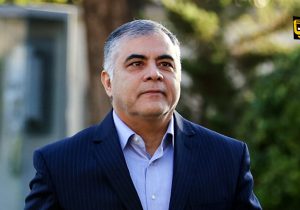
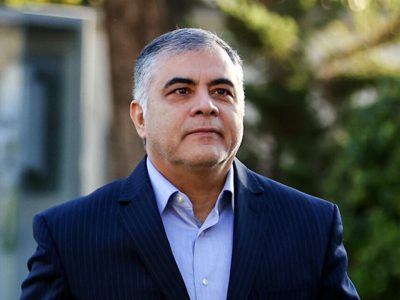
Mohsen Paknejad, explaining the oil sales process on Saturday, added: “Oil sales consist of two main parts; the first part is related to marketing, negotiation, and sales operations, which is the responsibility of the Ministry of Oil, and we are taking the necessary specialized measures in this area. The second part is the return of the money for the oil sold, which, according to laws and regulations, must be deposited into accounts approved by the Central Bank.”
He noted: “These accounts are introduced by the Central Bank to the Ministry of Oil so that the funds from oil sales are deposited into them when they mature.”The deposit mechanism, payment timing, and deposit amounts are all under the monitoring, control, and supervision of the Central Bank, because the nature of this issue is fundamentally banking.
Emphasizing the separation of responsibilities, Paknejad clarified: The Ministry of Oil has no input in the banking sector and does not have the ability to review the details of payments, including issuing SWIFT, payment time, and depositing into accounts. These matters are within the scope of the duties of the Central Bank and the country’s banking network, which are fully under the control of this institution.
He continued: “It is the responsibility of the Central Bank to review whether oil money has been deposited on time and in full, and this institution can, if necessary, provide the necessary feedback to the Ministry of Oil so that interactions with some oil buyers or traders can be reconsidered.”Emphasizing the supervisory role of the Central Bank, the Oil Minister noted: Monitoring the amount of funds deposited, scheduling payments, and depositing them into accounts associated with operating banks approved by the Central Bank are among the duties of this institution, and the Central Bank is expected to conduct the necessary investigations within the framework of its powers